
Employers Responsibility Health and Safety
Employers Responsibility Health and Safety: A Practical Guide for UK Businesses
Employers responsibility health and safety is one of the most important legal duties facing UK businesses, yet many employers remain unsure about what is required in practice. Organisations often believe they are compliant until an incident highlights gaps in their systems. A proactive and informed approach can prevent accidents, reduce legal risk, and improve workplace culture.
Health and safety is not simply about avoiding enforcement action. It also supports productivity, employee engagement, and retention. When employees feel safe and valued, they are more likely to perform well. Therefore, employers should view health and safety as a core business priority rather than a regulatory burden.
In this guide, I will explain what the law requires, common mistakes employers make, and how businesses can protect themselves.
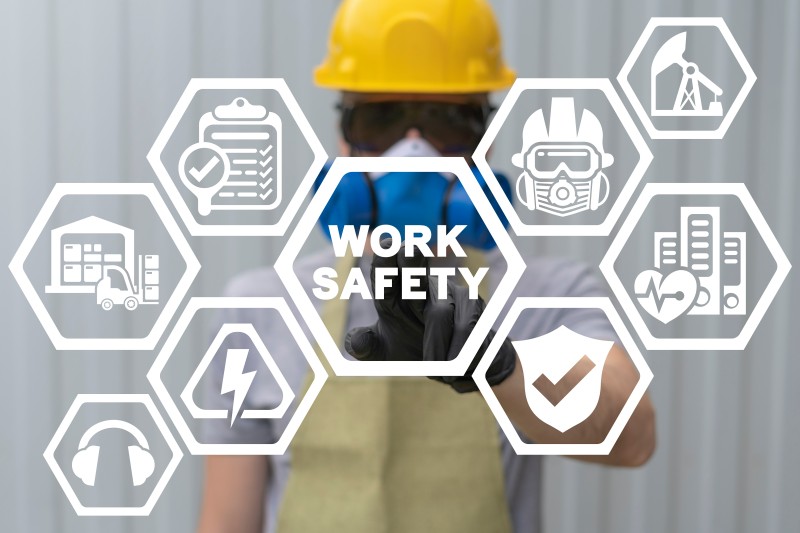
What Is Employers Responsibility Health and Safety?
Employers responsibility health and safety refers to the legal duty placed on organisations to protect employees and others affected by their work. This duty arises primarily from the Health and Safety at Work Act 1974 and related regulations.
The law requires employers to take reasonable steps to ensure the workplace is safe. This includes both physical and psychological wellbeing. For example, employers must consider risks such as manual handling, workplace stress, and unsafe equipment.
Employers should also be familiar with official guidance, although practical advice is often needed to apply this to individual workplaces.
Importantly, responsibility cannot be delegated entirely. While managers and supervisors play a role, the organisation remains accountable.
Key Duties Under Employers Responsibility Health and Safety
Understanding core obligations is essential. Employers must demonstrate that they have taken reasonable steps to manage risk.
Typical duties include:
- Carrying out risk assessments
- Providing training and supervision
- Maintaining safe systems of work
- Ensuring equipment is suitable
- Consulting with employees
Risk assessments are particularly important. These should identify hazards, evaluate risks, and set out control measures. They must also be reviewed regularly.
In one situation I advised on, an employer had completed risk assessments but failed to update them after workplace changes. When an accident occurred, this weakened their defence.
Why Employers Responsibility Creates Legal Risk
Employers responsibility health and safety is closely linked to legal and financial risk. Breaches may lead to enforcement notices, fines, and even criminal prosecution in serious cases.
In addition, employees may bring claims for personal injury or constructive dismissal if workplace safety concerns are ignored. Stress-related claims are increasingly common, particularly where workload or pressure is excessive.
Employers should also consider reputational impact. High-profile incidents can affect recruitment and client relationships.
The duty of care extends beyond employees. Contractors, visitors, and members of the public may also be affected.
If you would like free advice – Call John today on 01625 874400 or email enquiries@ebslaw.co.uk for tailored support.
Applying Employers Responsibility Health and Safety in Modern Workplaces
Employers responsibility health and safety has evolved significantly. Hybrid working, remote working, and digital communication all create new risks.
For example, employers must consider home working environments. This may include workstation assessments, guidance on posture, and ensuring employees take regular breaks.
Mental health is also a growing focus. Employers should monitor workload, communication, and support structures. Failure to address these issues may lead to sickness absence or grievances.
Seeking employment law advice for employers can help ensure policies reflect modern working practices.
Employers should also encourage open dialogue. Employees who feel comfortable raising concerns often identify risks early.
Common Mistakes
Even responsible organisations sometimes make errors. These often arise from lack of awareness or inconsistent implementation.
Common issues include:
- Outdated policies
- Failure to record incidents
- Poor communication
- Inadequate training
- Ignoring near misses
In one case, an employer failed to act after repeated complaints about unsafe conditions. This eventually led to a formal complaint and legal action.
Consistency and documentation are essential. Employers should ensure that procedures are followed in practice.
Obtaining free employment law advice for employers early can reduce risk and prevent escalation.
Building a Positive Health and Safety Culture
Forward-thinking employers treat employers responsibility health and safety as part of their wider organisational culture. When leadership demonstrates commitment, employees are more likely to engage.
Training is particularly important. Managers should understand their role and how to respond to concerns. Regular reviews and audits also support continuous improvement.
From my experience, businesses that invest in safety often see improvements in engagement, productivity, and retention. They also experience fewer disputes and claims.
Ultimately, employers responsibility health and safety is not simply a legal requirement. It is a strategic investment that protects both people and the organisation.
Contact John Bloor today for FREE expert support at EBS Law. We’re here to ensure your business stays protected every step of the way. Call 01625 874400 or email enquiries@ebslaw.co.uk