
Unfair Dismissal Claim Advice for UK Employers
Unfair Dismissal Claim: What UK Employers Need to Know
An unfair dismissal claim is one of the most common and costly legal challenges UK employers face. An unfair dismissal claim can arise even where an employer believes they have acted reasonably, and it often comes as a surprise when a former employee decides to pursue tribunal proceedings.
I advise employers across the UK who are dealing with unfair dismissal claims at every stage, from early warnings through to final hearings. In many cases, the underlying business decision was understandable. The difficulty usually lies in the process that led to dismissal rather than the reason itself.
This article explains how an unfair dismissal claim arises, how tribunals assess employer decisions, and what you can do to protect your business before and after a claim is issued.
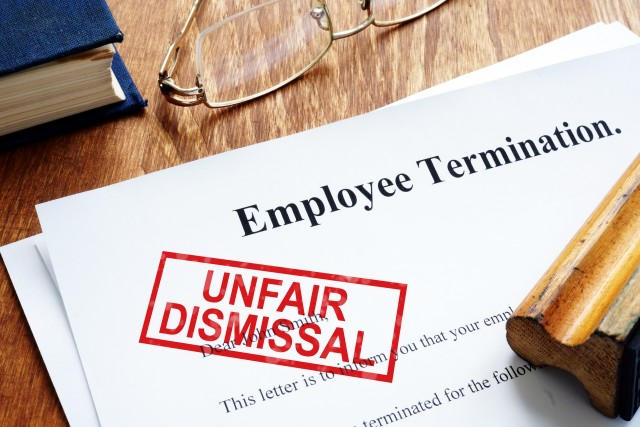
What Is an Unfair Dismissal Claim?
An unfair dismissal claim is a legal challenge brought by an employee who believes their dismissal was not fair under UK employment law. In most cases, the employee must have at least two years’ continuous service, although there are important exceptions.
The tribunal will usually look at two main questions. First, did the employer have a potentially fair reason for dismissal? Second, did the employer act reasonably in treating that reason as sufficient to dismiss?
Even where there is a valid reason, such as misconduct or capability, an unfair dismissal claim may succeed if the employer failed to follow a fair procedure.
This is where many employers underestimate risk. Acting quickly may feel necessary, but speed often comes at the expense of fairness.
Common Reasons Behind an Unfair Dismissal Claim
Unfair dismissal claims arise in a wide range of situations. Some of the most common involve alleged misconduct, poor performance, redundancy, or breakdowns in working relationships.
Employers sometimes assume that obvious wrongdoing removes the need for process. Tribunals rarely agree. A dismissal that feels justified on the day may still fall outside the range of reasonable responses.
Another frequent trigger is inconsistency. Where similar cases have been treated differently, employees often argue that dismissal was unfair.
Clear policies and consistent application of those policies often make the difference when claims are examined later.
Procedural Fairness and Tribunal Expectations
Procedure sits at the heart of most unfair dismissal claims. Tribunals expect employers to investigate concerns properly, give employees an opportunity to respond, and consider alternatives before dismissal.
This does not mean the process must be perfect. The legal test is reasonableness, not perfection. However, serious procedural flaws can be fatal to a defence.
I regularly see cases where employers skip investigation because they believe the outcome is obvious. In practice, this often strengthens the employee’s claim.
Understanding how tribunals approach decision-making is explored further in guidance such as employment tribunal claims, which gives useful context for employers facing proceedings.
Automatic Unfair Dismissal Risks
Some unfair dismissal claims do not require two years’ service at all. These are known as automatic unfair dismissal cases.
Dismissals linked to whistleblowing, health and safety concerns, pregnancy, or asserting statutory rights fall into this category. Employers sometimes overlook this distinction and assume short service provides protection.
Where automatic unfair dismissal is alleged, compensation can be significant and reputational risk is often higher.
Early advice is particularly important in these cases, as mistakes are harder to undo once proceedings begin.
How Compensation Is Assessed
If an unfair dismissal claim succeeds, the tribunal may award compensation. This typically includes a basic award and a compensatory award.
The compensatory award is intended to reflect actual financial loss, subject to a statutory cap. In practice, awards vary widely depending on circumstances.
Tribunals will often consider whether the employee contributed to their dismissal. Where contributory fault is found, compensation may be reduced.
Understanding how compensation works can help employers make informed decisions about settlement.
If you would like free advice – Call John today on 01625 874400 or email enquiries@ebslaw.co.uk for tailored support.
Responding to an Unfair Dismissal Claim
Once an unfair dismissal claim has been lodged, deadlines become critical. Employers must respond formally and accurately, setting out their defence clearly.
Rushed or inconsistent responses often weaken otherwise defensible cases. Tribunals expect employers to engage with the allegations directly rather than relying on generic explanations.
Documentary evidence plays a central role. Notes of meetings, emails, policies, and decision records often carry more weight than recollection alone.
Preparation at this stage often determines how the rest of the case unfolds.
Settlement and Commercial Considerations
Not every unfair dismissal claim should be fought to a final hearing. Settlement can sometimes be the most sensible outcome, even where the employer believes they would ultimately succeed.
Factors such as cost, management time, witness availability, and commercial impact all matter.
Employers often review settlement options alongside guidance on settlement agreements, which explains how disputes can be resolved confidentially and lawfully.
Each case requires a careful assessment of risk rather than a purely emotional response.
Preventing Unfair Dismissal Claims
The most effective way to deal with an unfair dismissal claim is to reduce the likelihood of one arising in the first place.
Clear procedures, proper training for managers, and accurate records all reduce exposure.
I often remind employers that most claims are built on what happened months before dismissal, not on the dismissal meeting itself.
Employers who take time to review dismissal decisions against established principles, such as those set out in unfair dismissal law, are usually better placed if matters escalate.
Contact John Bloor today for FREE expert support at Employers-Law. We’re here to ensure your business stays protected every step of the way. Call 01625 874400 or email enquiries@ebslaw.co.uk
For further guidance from EBS Law, you may find these pages helpful: